
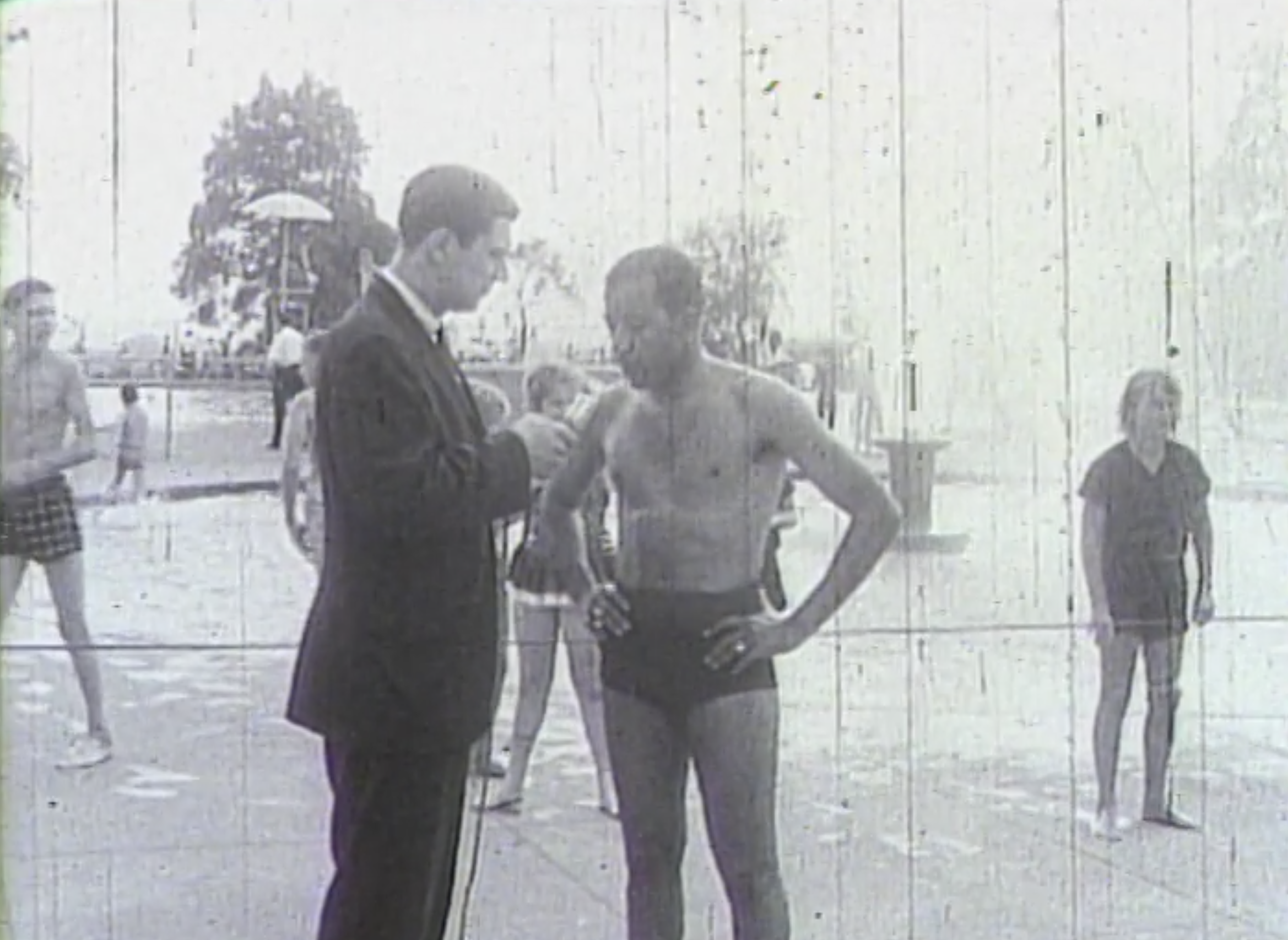

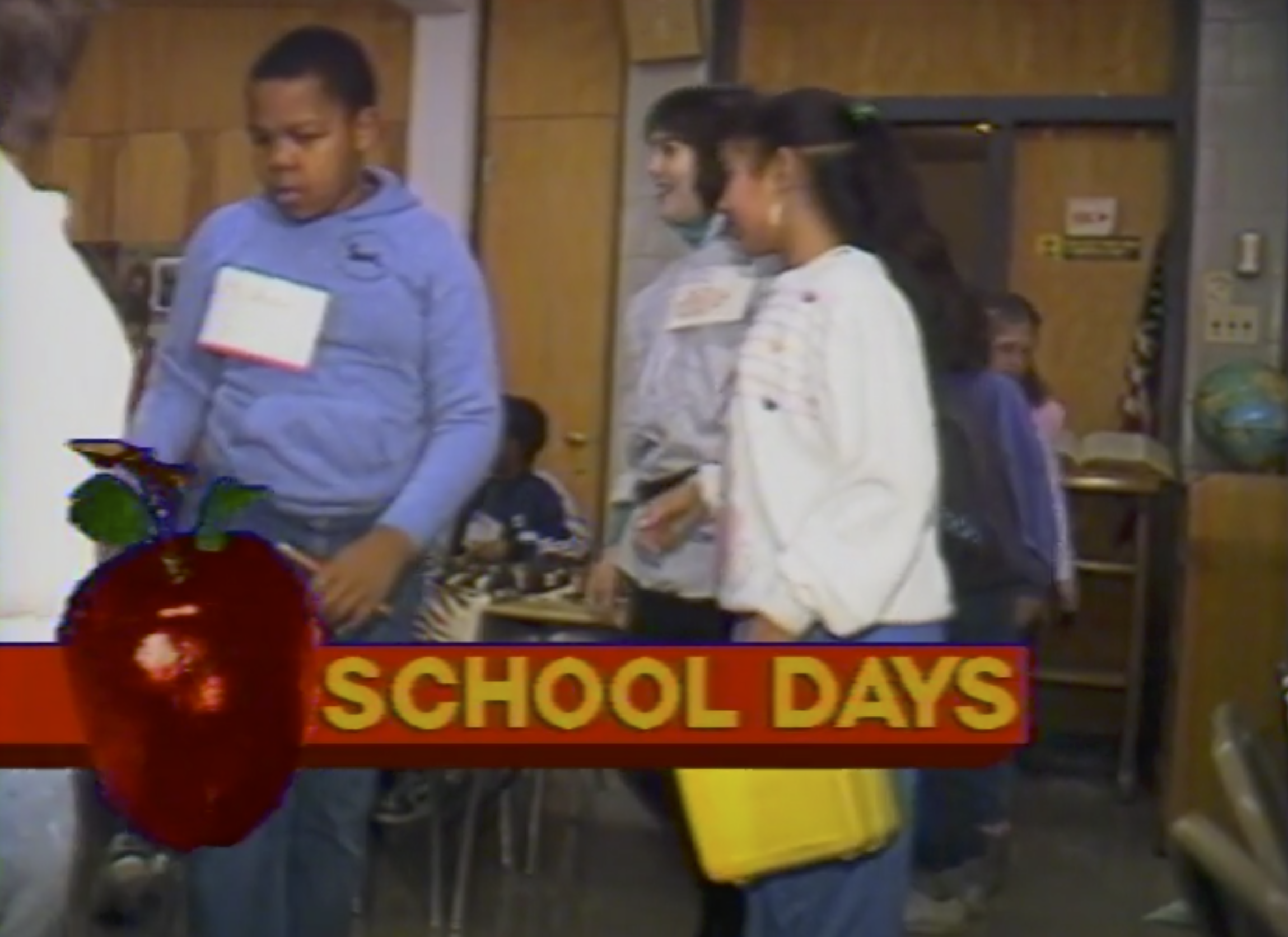

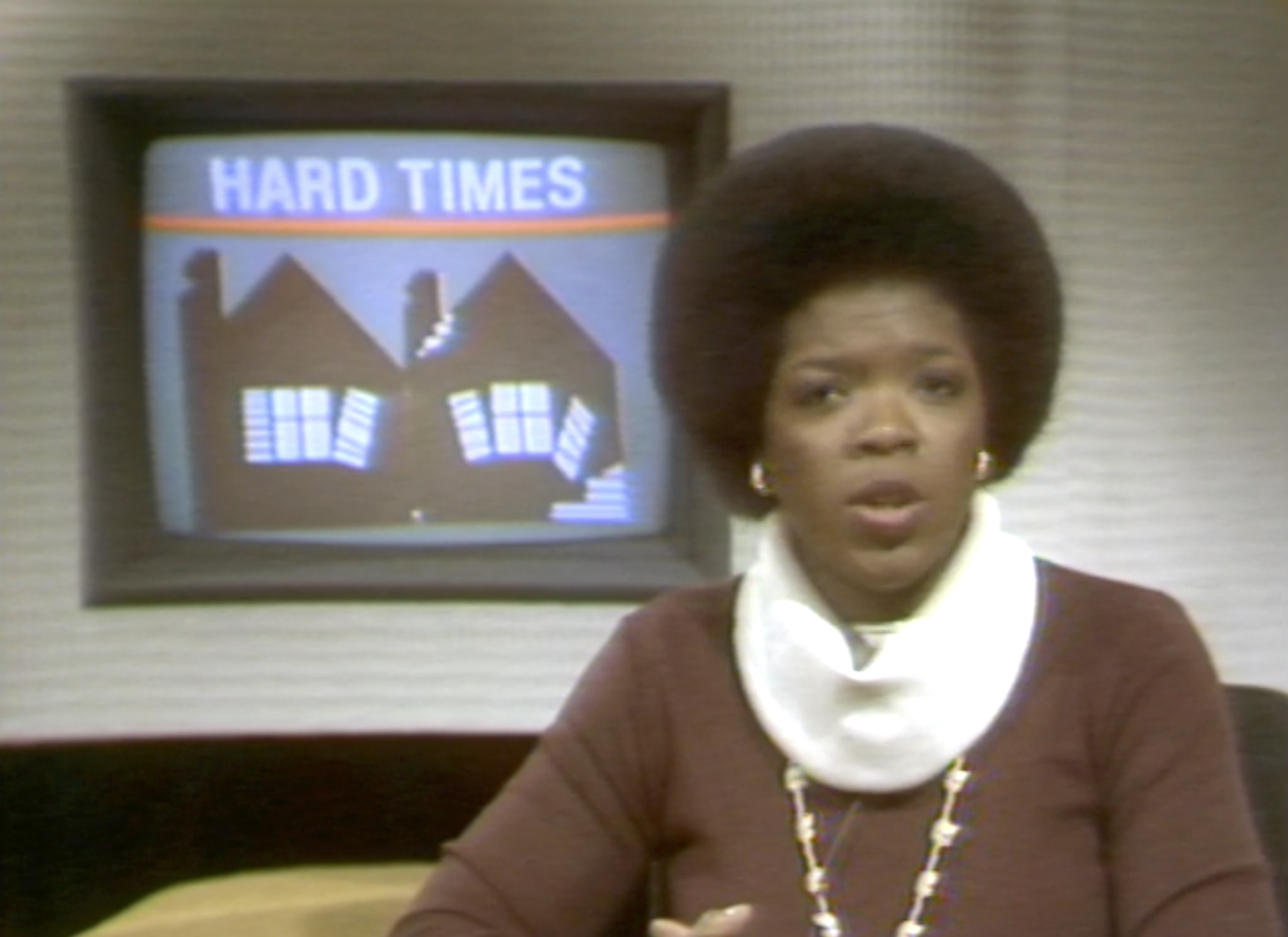
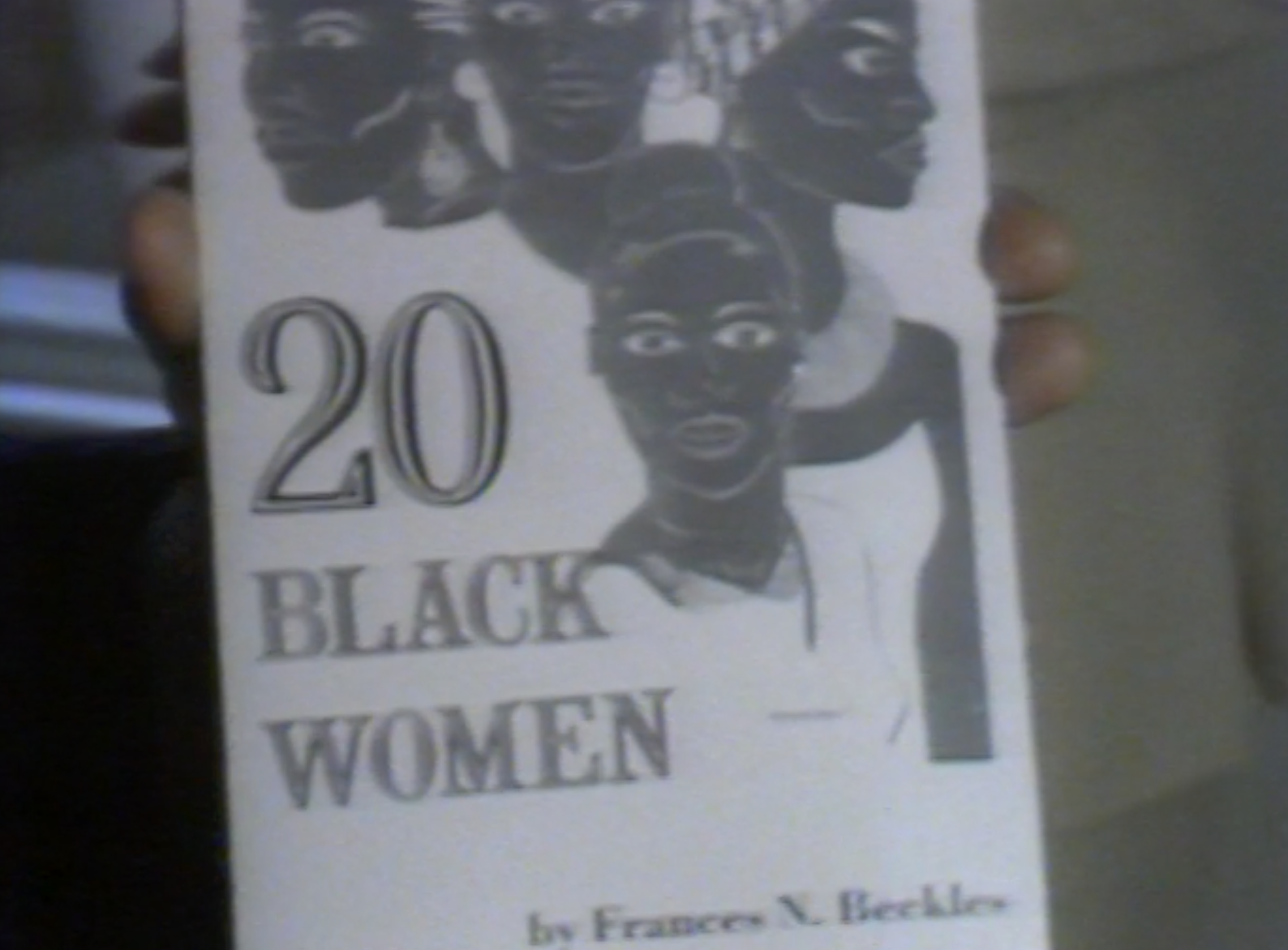

Watch these collection highlights at https://tinyurl.com/BroadcastingBaltimore
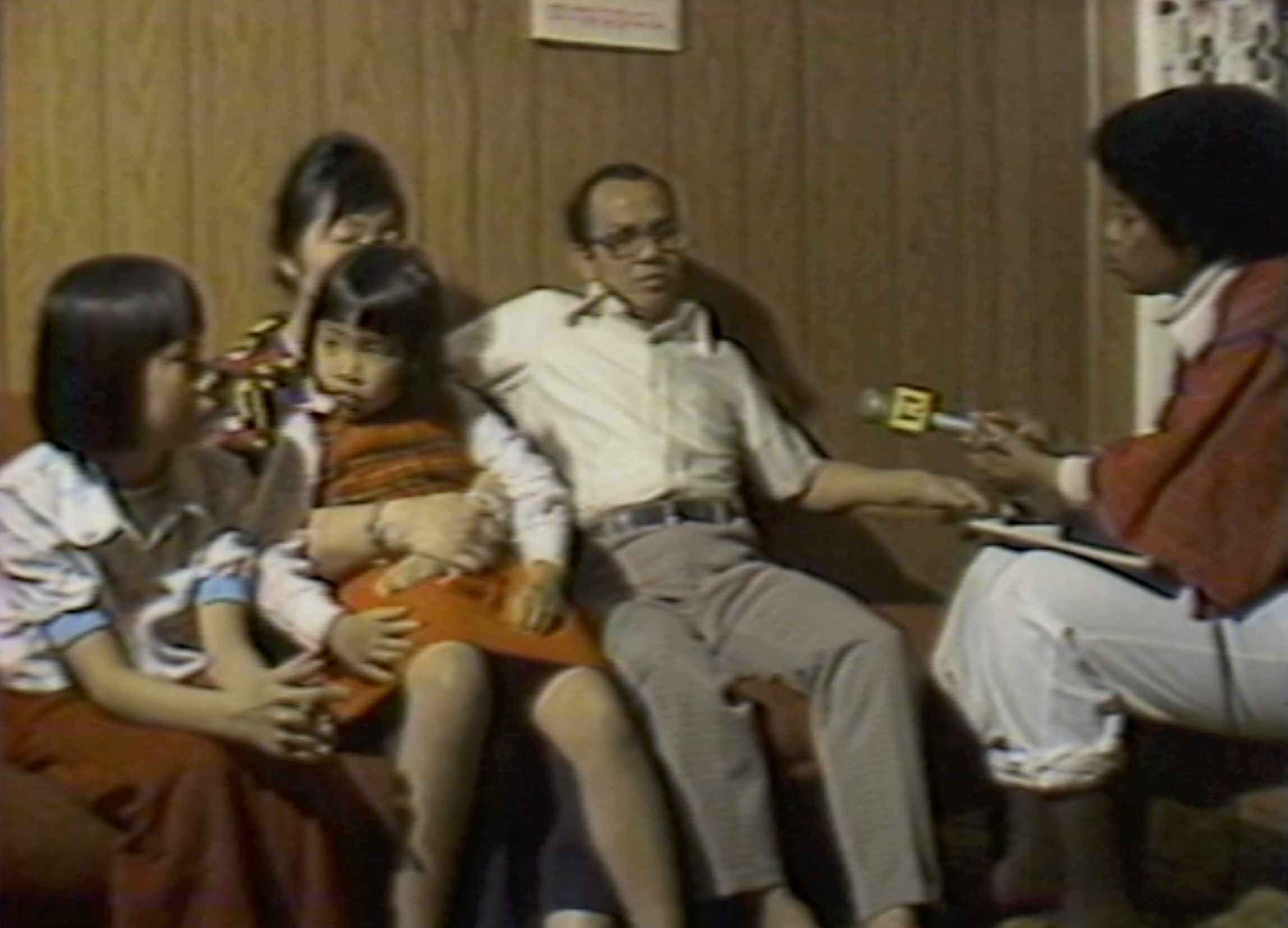
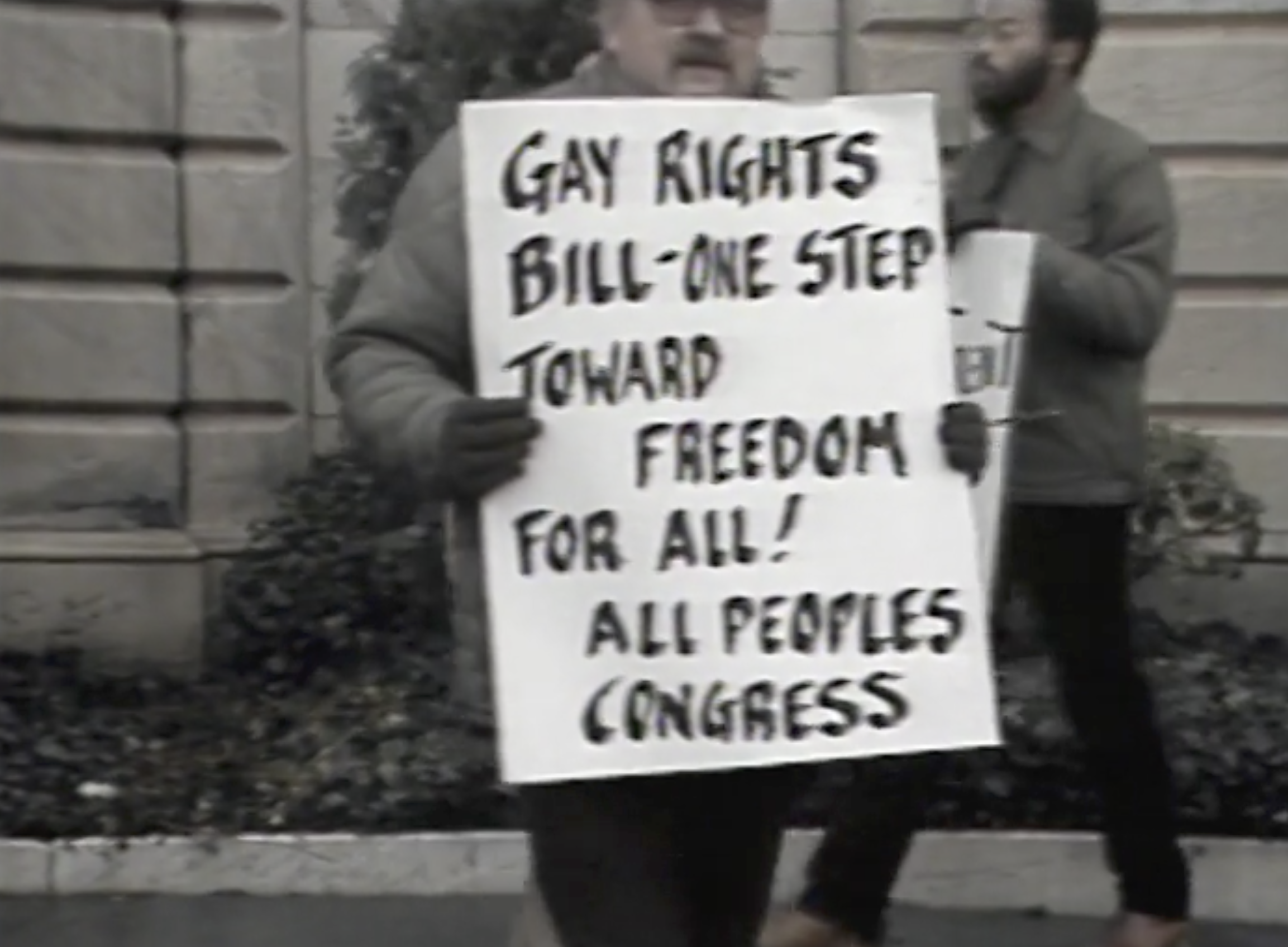
In 2022, MARMIA received a Council on Library and Information Resources (CLIR) grant to digitize and describe 1,000 hours of footage from our WJZ-TV Collection that documents the voices of underrepresented communities in Baltimore City from 1977-2000. Voices represented in the project include Black Americans, Native Americans, Asian Americans, immigrant populations, the LGBTQIA+ community’s fight for equal rights, among many others.
The grant paid for a local research consultant to make priority selections and hired my position as an Audiovisual Archivist to complete the project. The grant also paid for a systems integration and improved MARMIA’s access platforms. Prior to the grant, we performed many collection edits and updates manually and individually. Thanks to the funding, we have since developed a more streamlined workflow enabling us to do bulk uploads to the Internet Archive using Python, a bulk update plug-in in ArchivesSpace, and implemented a custom integration in Aviary that syncs it with ArchivesSpace. Additionally, we are able to create speech-to-text transcripts in Aviary using Trint which has improved overall discoverability and accessibility and are the main tools to help us locate and describe the content on the tapes.
Through this project, we digitized 1,036 hours over 1,230 videocassettes. We had an over 90% success rate at finding underrepresented voices. Archivist, scholar, and writer, Michelle Caswell, was the opening plenary speaker of the 2022 CLIR conference, where she described how archival activations are crucial for a just world. The value of representation is felt emotionally, materially, and politically. Records are not meant to be merely preserved – they should be used for people in the present. This sentiment carried me through this project as I promoted the project and also fielded reference requests from researchers, filmmakers, and Baltimoreans. We partnered with Digital Maryland (Digital Public Libraries of America) to make these items also discoverable on their platform. Licensing and overall use for MARMIA increased doubly each year since 2022. Recent activations of the WJZ-13 collection include local and national documentaries, as well as community and museum exhibitions and we are excited to see the impact of this project for years to come!
Please search the WJZ-13 collection on MARMIA’s ArchivesSpace marmia.libraryhost.com and on MARMIA’s Aviary marmia.aviaryplatform.com. To watch collection highlights and view project metrics please visit our Airtable dashboard https://tinyurl.com/BroadcastingBaltimore. Here is a little zine we created for the Association of Moving Image Archivists (AMIA) conference in December of 2024. If you wish, you can print it out on an 8.5″ x 11″ paper.
I’d like to acknowledge the following individuals for their work on this project: Siobhan Hagan, Founder of MARMIA and President; Megan McShea, Independent Archivist and Former MARMIA Board Member; Austin Miller, MARMIA Technical Coordinator; Dr. Ashley Minner Jones, Baltimore community-based artist and curator.
The Council on Library and Information Resources (CLIR) is an independent, nonprofit organization that forges strategies to enhance research, teaching, and learning environments in collaboration with libraries, cultural institutions, and communities of higher learning. To learn more, visit www.clir.org.

This blog post was written by Joana Stillwell, MARMIA’s AV Archivist.
April 30, 2025: Broadcasting Baltimore Update #8: Eyewitness News
March 21, 2025: Broadcasting Baltimore Update #7: Now & Then
November 12, 2024: Broadcasting Baltimore Update #6: Prime-time People
October 15, 2024: Broadcasting Baltimore Update #5: Community Festivals
July 3, 2024: Broadcasting Baltimore Update #4: Focal Point
August 15, 2023: Broadcasting Baltimore Update #3: WJZ-TV Collection Featured on Digital Maryland
June 6, 2023: Broadcasting Baltimore Update #2: Shakedown!
February 6, 2023: Broadcasting Baltimore Update #1: City Line Is Digitized
August 28, 2022: Digitizing Hidden Histories Begins
April 28, 2022: MARMIA Receives a CLIR Grant

 marmia.org
You must be logged in to post a comment.